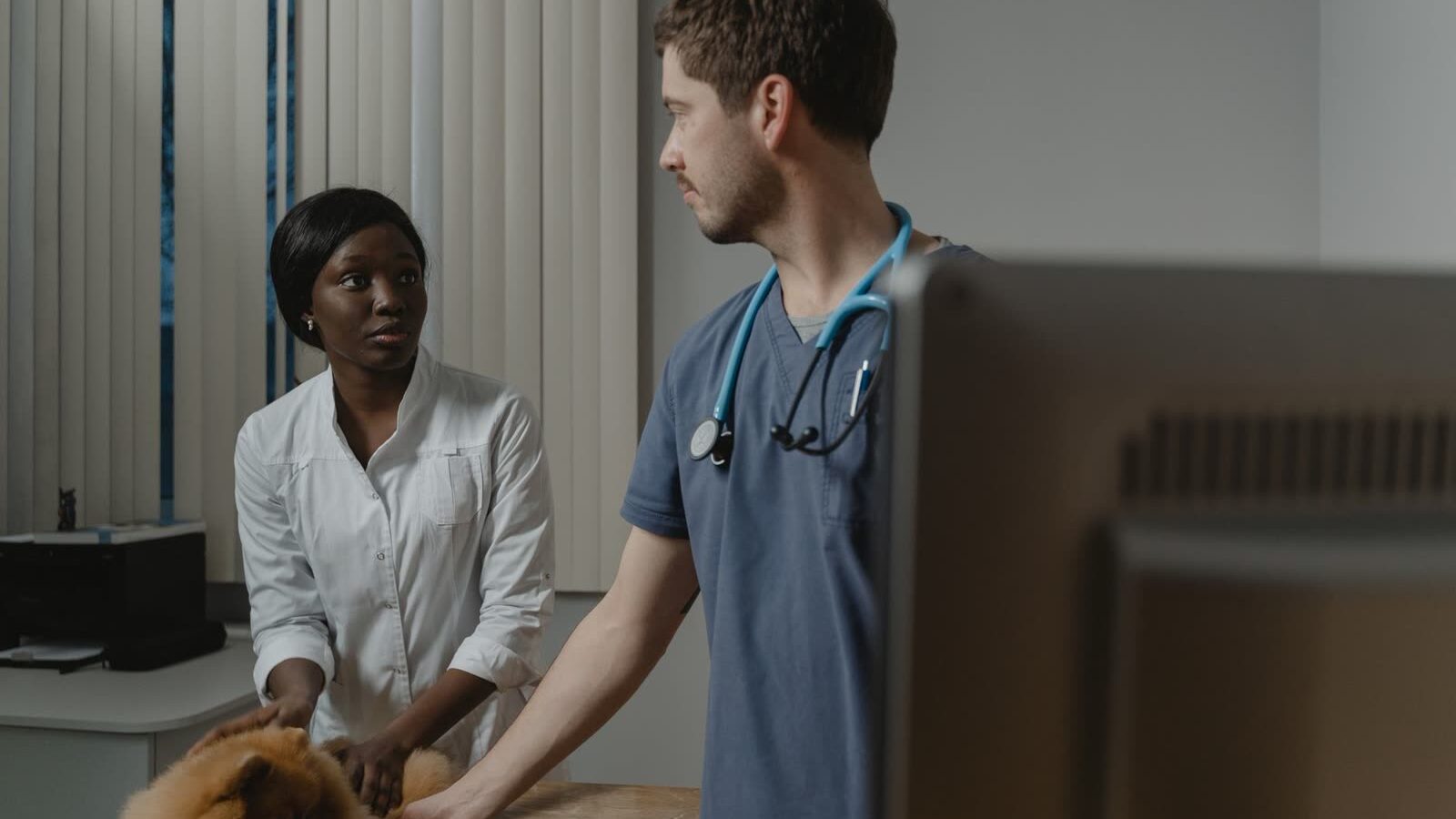
Claims guide · emergency vet pet insurance claim
Emergency Vet Visits: What to Do First and How to Document a Claim
What to do when a pet needs emergency care, warning signs that require immediate attention, documents to keep, and how to notify a claim properly.
Quick answer
In an emergency, treatment always comes first. Afterwards, keep the original itemised receipt showing treatment charges, the veterinarian's certificate or clinical record, and any photographs the insurer requires, then notify the claim through the policy's stated channel and timeframe.
In an emergency, paperwork is the last thing on your mind — as it should be. But knowing in advance what to keep means you will not have to go back later requesting documents. This guide sets the order of priorities clearly.
01
Signs that need immediate attention
Treat as emergencies: laboured or abnormal breathing, vomiting or passing blood, seizures, a hard swollen abdomen particularly in large dogs, inability to urinate especially in male cats, and injury from accidents.
In these cases, waiting to see whether things improve usually worsens both the outcome and the cost. Call the facility while travelling so they can prepare to receive your pet.
02
Documents to keep
The primary document insurers require is the original receipt itemising treatment charges, together with a veterinary certificate or clinical record stating the signs and diagnosis.
Some insurers also require photographs of the pet during treatment — two images, for example. Check the requirements of the policy you hold when you buy it, not when the incident happens.
03
How to notify a claim
Documents can generally be uploaded through the insurer's claims page, or originals sent to the claims department. Photocopy everything before sending originals.
Notify as early as possible within the timeframe the policy sets, and keep proof of submission. If unsure whether an item is covered, ask rather than assume.
Decision checklist
Prepare before anything happens
- Save a 24-hour animal hospital number in your phone
- Keep the policy number somewhere easy to find
- Know the claims channel in advance
- Always request an original itemised receipt
- Take any photographs the policy requires
- Copy all documents before sending originals
Questions, answered
Pet insurance FAQ
Policy wording and conditions remain the final reference.
01Must I notify the insurer before treatment?+
Treatment should always come first in an emergency, but check your policy's notification conditions when you buy it.
02Is a summary receipt enough to claim?+
Generally an original itemised receipt is required. Ask the facility for an itemised version from the outset.
03What if documents are lost?+
Contact the facility for replacements and notify the insurer through official channels as soon as possible.